- Home
- Works & Tech
- 10 XR Solutions to Watch Now [Tourism and Cultural Facilities Edition]
Tech ArticlesXR
10 XR Solutions to Watch Now [Tourism and Cultural Facilities Edition]
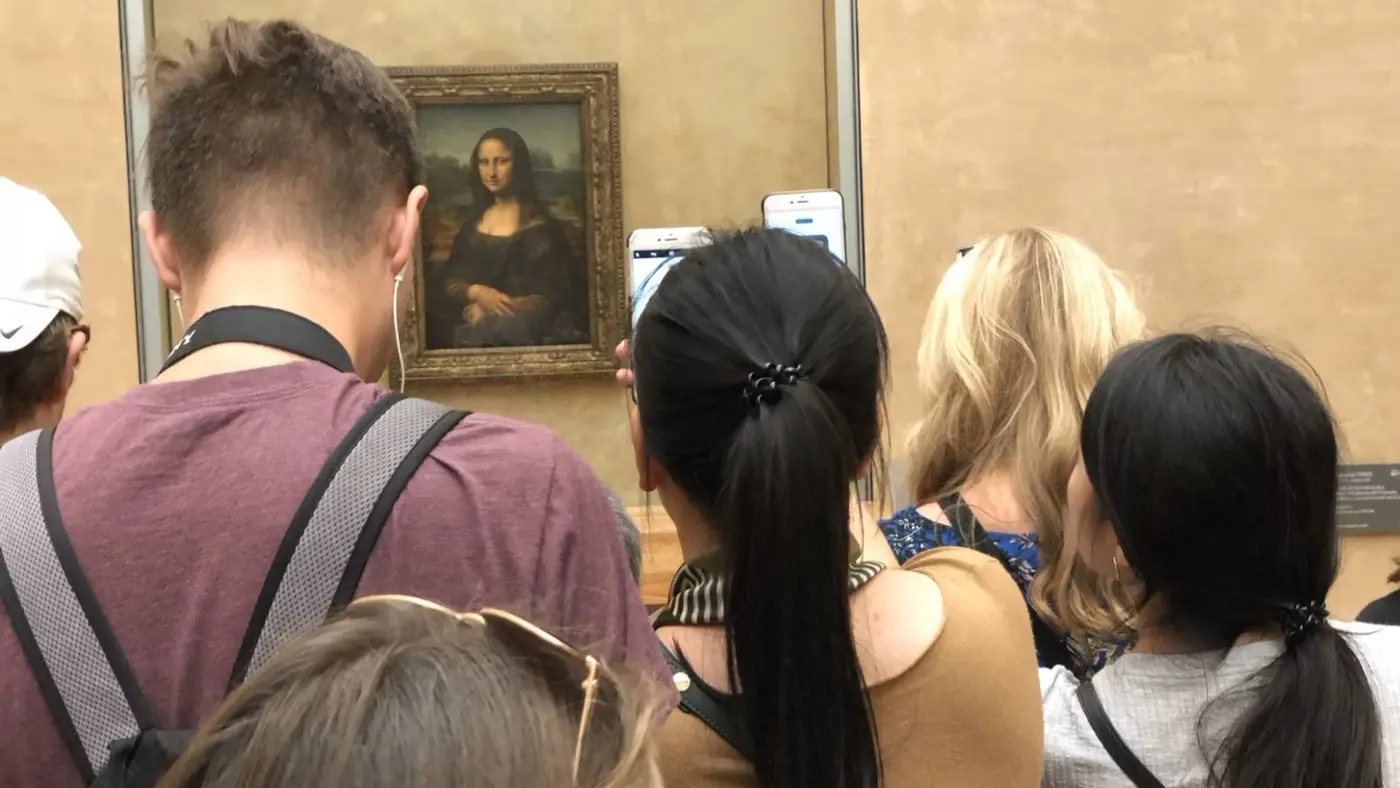
In tourism and at cultural facilities, the "experiential value" offered to visitors is becoming a new axis of competition. In particular, experiences built with XR (cross reality) technologies such as virtual reality (VR), augmented reality (AR), and mixed reality (MR) are shifting the value proposition from the traditional "exhibit and explain" to "feel and participate."
In this article, we introduce 10 carefully selected XR solutions that help enhance the visitor experience at tourist destinations and at cultural facilities such as museums and historic buildings. We cover adoption trends and success stories in Japan and overseas, as well as points to watch out for, to capture the latest developments.
Why XR is being used at tourism and cultural facilities
In recent years, digitalization has been accelerating in the tourism industry and at local cultural facilities. Behind this are social changes such as the following:
- The renewed increase in international visitors to Japan (inbound tourism)
- Growing need to differentiate regional tourism
- Rising interest in contactless, non-face-to-face technologies (post-COVID response)
- Changes in young people's free time and their appetite for social-media-worthy experiences
Against this background, XR technology is drawing attention as an effective approach to addressing the following challenges:
- "Historical reconstruction" of exhibits and "multilingual guides"
- "Virtual visit experiences" of remote locations
- "Documentary archiving and preservation" of disaster remains
Local governments and DMOs (destination management organizations) are also increasingly positioning XR as a tool for "rediscovering" local resources and raising their tourism value.
10 XR solutions to watch now [Latest edition, June 2025]
Below are 10 XR solutions optimized for tourism and cultural facilities.
1. Nreal Air: Immersive tour experiences with AR glasses
- Lightweight AR glasses with a wide field of view blend on-site views with digital information
- GPS integration automatically plays commentary on exhibits and historic sites
- Intuitive operation through smartphone integration
2. STYLY: An MR platform specialized in spatial staging
- Blends virtual exhibits into real spaces
- No-code support lets on-site staff lead the creation of staging
- An excellent fit for cultural and artistic content
3. Panasonic MeganeX: High-definition VR goggles
- Used for 360° displays of museum collections and reproductions of materials not open to the public
- Enables seated VR experiences that are friendly to older visitors and wheelchair users
4. KDDI 360 Planet: Recreating tourism experiences from remote locations
- Tours for remote participants using drones, 360° video, and AI navigation
- Growing demand among older people and those with limited mobility
5. VROX: XR production for entire exhibitions
- One-stop service from content production to infrastructure setup
- Many examples of co-creation with local cultures
6. Meta Quest 3: The standard VR device for education
- Reconstructs exhibition content as "hands-on learning material"
- Highly compatible with school trips and field trips, with growing adoption at educational facilities
7. HoloLens 2: Recreating historic architecture with MR
- Spatial recognition enables exhibition navigation without AR markers
- Strong in "restoration projection" of buildings and ruins
8. Realworld Engine: A "digital twin" of tourist destinations
- Turns an entire town into a 3D model that can be explored in virtual space
- Can also be used for evacuation drills and recovery planning in the event of a disaster
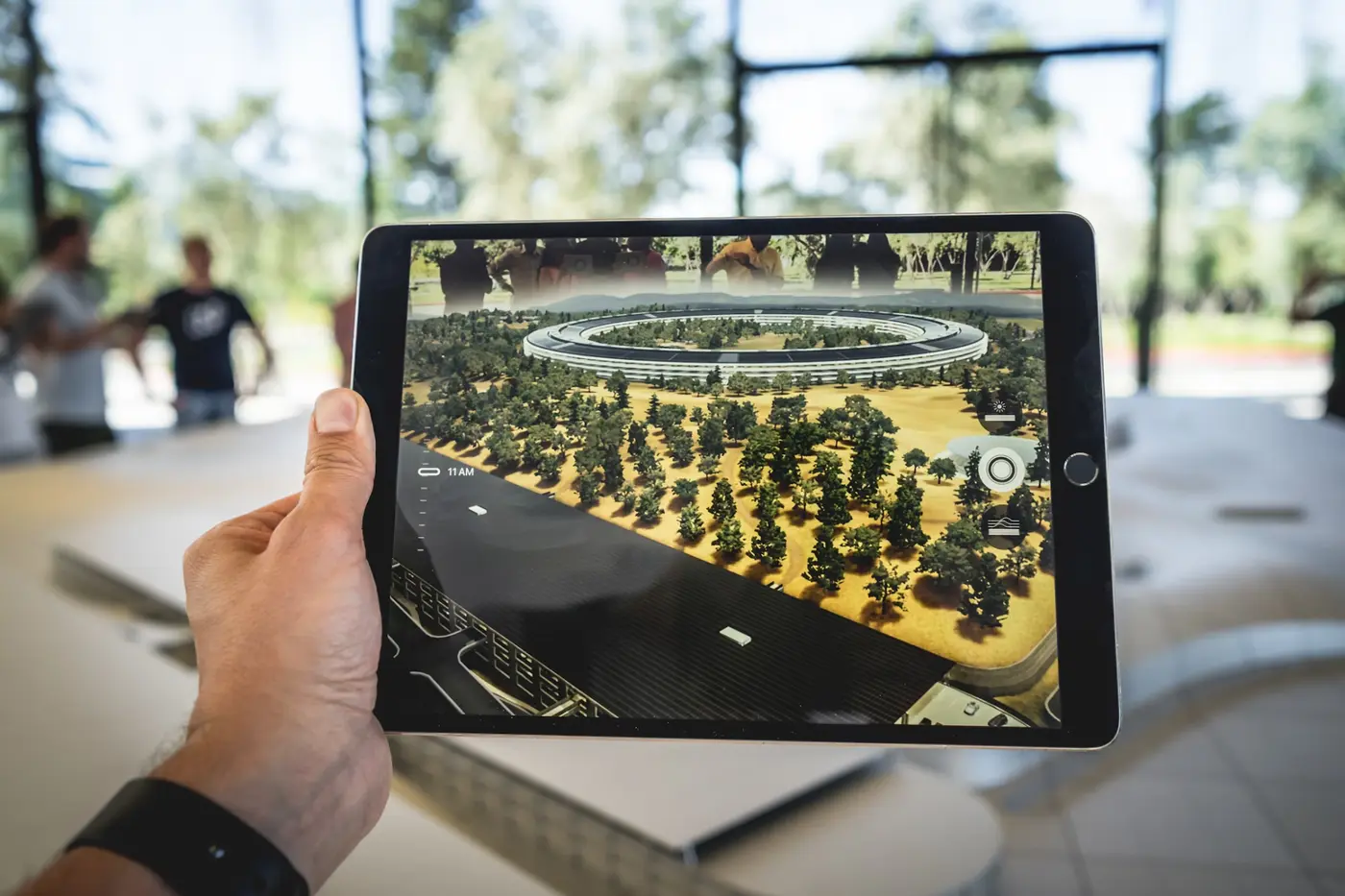
9. AR navigation: Smartphone AR apps that are easy to introduce
- Integrates with on-site guides using GPS and beacons
- Supports multilingual audio navigation and AR display of video content
10. VR Zen experience: Cultural experiences for inbound visitors
- Brings Japanese culture such as Zen, tea ceremony, and calligraphy into VR
- Immersive cultural experiences that also reflect their religious and philosophical background
XR implementation support case study by World Area Networks Co., Ltd.
Sansan Yuyu Sandankyo | Akiota Town, Hiroshima Prefecture
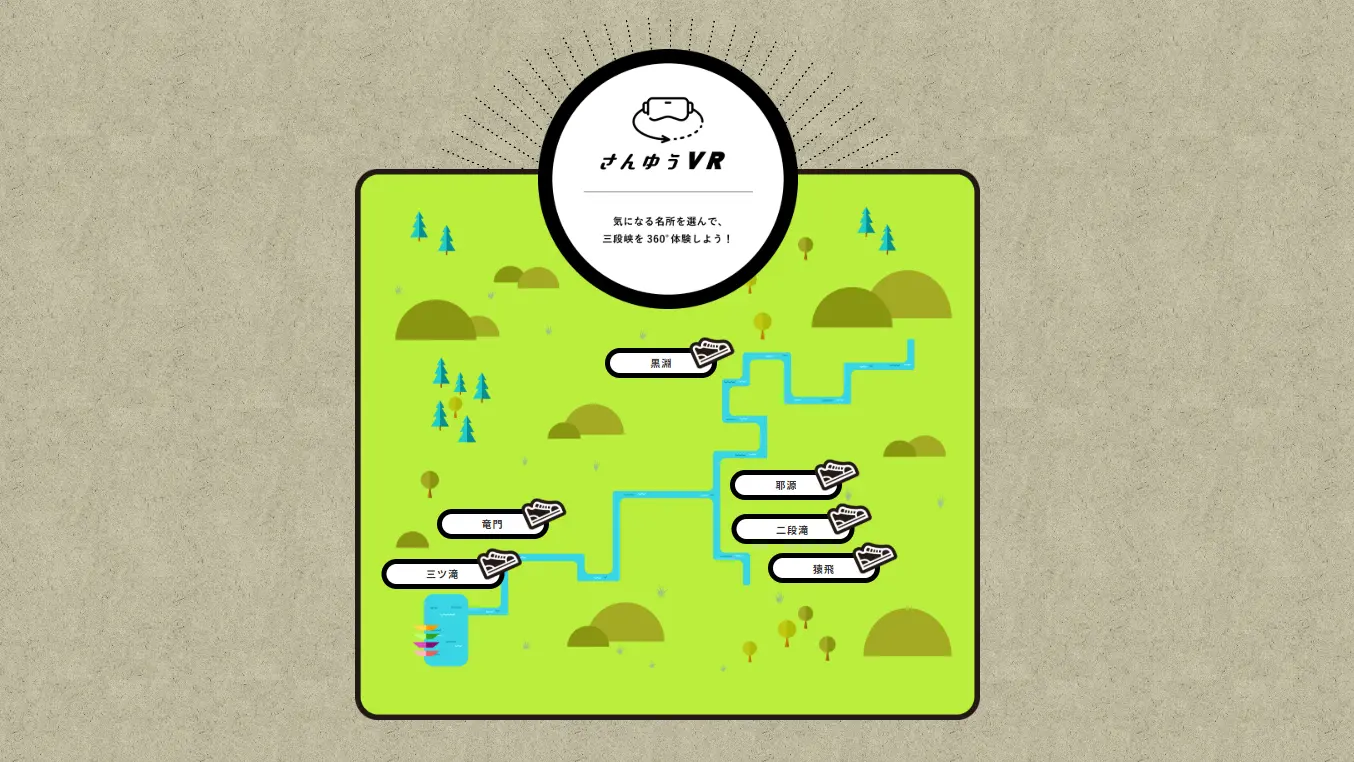
At Sandankyo Gorge, one of Hiroshima Prefecture's leading scenic spots, WAN planned and implemented "Discovery VR," a new tourism pathway that uses digital twin technology and WebXR. It is attracting attention as a digital initiative that enhances the experiential value before and after an actual visit.
👉 Experience Sandankyo Discovery VR (official website)
👉 Our production and implementation support work (WAN official)
Background and challenges
- Terrain and seasonal constraints limited year-round tourism promotion
- Compared with the high value of its scenery, young people and overseas audiences had too little exposure to information about it
- Challenges in developing local guide systems and visitor information infrastructure
Solution overview
- Built a virtual Sandankyo experience system (WebXR) that combines live-action footage and 3D modeling
- Works on smartphones, PCs, and tablets and is accessible without an app
- Embedded directly in the official tourism website, with pathways designed for pre-visit experiences and encouraging visitors to explore the area
Points to watch when introducing XR
XR solutions are attractive, but the following points need attention when introducing them.
Common challenges and countermeasures
- Risk of display errors: Advance testing for interference from lighting and spatial structure is essential
- Differences in users' IT literacy: Simple UI/UX design is important
- Underestimating the operational workload: Do not underestimate the effort needed for content updates and equipment maintenance
- Visualizing cost-effectiveness: Set KPIs such as visitor numbers, satisfaction, and social media reach
A successful introduction process
- Verify effectiveness through a PoC (proof of concept)
- Scale up in stages (partial introduction → facility-wide introduction)
- Build a regional co-creation model through collaboration with local governments and local organizations
Summary
- At tourism and cultural facilities, XR is an effective means of "differentiating experiential value"
- Solutions that combine AR, VR, and MR technologies are appearing one after another
- When introducing XR, verifying the PoC, cost-effectiveness, and user design is the key to success
- WAN offers comprehensive support for XR introduction
CTA: For those considering introducing XR
At WAN, our experienced staff provide end-to-end support, from XR strategy planning to implementation, content development, and maintenance and operation.
- Consultation on PoC design
- Materials on XR introduction case studies at tourist facilities
- Support for selecting the best XR equipment
If you are struggling with technology selection or a lack of resources for introducing XR, please consider using our [XR Implementation Support Service].
Free consultations and document downloads are available here.