- Home
- Works & Tech
- Digital Twin vs. 3DCG: A Guide to Suitability by Industry and How to Choose
Tech ArticlesSimulation3DCG
Digital Twin vs. 3DCG: A Guide to Suitability by Industry and How to Choose

In recent years, "3D visualization technology" has been increasingly adopted across a wide range of industries, from manufacturing and construction to entertainment and urban development. Two approaches in particular are attracting attention: "digital twins" and "3DCG."
However, these are not simply 3D rendering technologies; they are technology domains with entirely different uses and benefits.
In this article, we take a thorough look at the differences between the two, their suitability by industry, and points to keep in mind when introducing them. Our aim is to organize the decision criteria so that those considering adoption can choose the technology that is best for their company.
What is the difference between a digital twin and 3DCG?
Both 3DCG and digital twins are visualization technologies that use 3D representation, but there are clear differences in terms of "purpose" and "linkage."
Characteristics of digital twins
- Real-time linkage: Two-way synchronization with real-world equipment and environments via IoT
- Enables analysis and prediction: The main purpose is simulation and optimization
- High affinity with infrastructure and manufacturing
Examples of use:
- Line management in smart factories
- Remote monitoring of power infrastructure
- Building damage-prediction models for disasters
Characteristics of 3DCG
- Specialized in expressiveness: The main focus is on "communicating and captivating" through high-definition visuals
- No need for real-time performance: Mainly pre-rendered as video content
- Widely used in advertising, architecture, and entertainment
Examples of use:
- Marketing visuals
- Architectural renderings of completed buildings and virtual property tours
- CG production for films and games

Suitability by industry: which should you choose?
Based on the differences between the two, we have summarized below which is better suited to each industry.
Manufacturing and factories
Recommended technology: Digital twin
- Monitoring and automatic optimization of production lines
- Simulation of failure prediction and equipment maintenance
- The ROI of adoption is easy to clarify
Architecture and real estate
Recommended technology: 3DCG (can also be combined with a digital twin)
- Presents highly accurate images of the finished property to customers
- Improves the pre-purchase UX with virtual tours
Entertainment, advertising, and video production
Recommended technology: 3DCG
- A field that demands high artistry and expressiveness
- Also used for animation, VFX, and metaverse development
- Ideal for designing experiences that "move the emotions" of the target audience
Infrastructure, energy, and urban management
Recommended technology: Digital twin
- Real-time performance needed for remote monitoring and predictive maintenance
- Can be used for disaster prevention and BCP (business continuity planning)
- Integrates with various sensors to enable dynamic management of cities
Related support case from World Area Networks Co., Ltd.
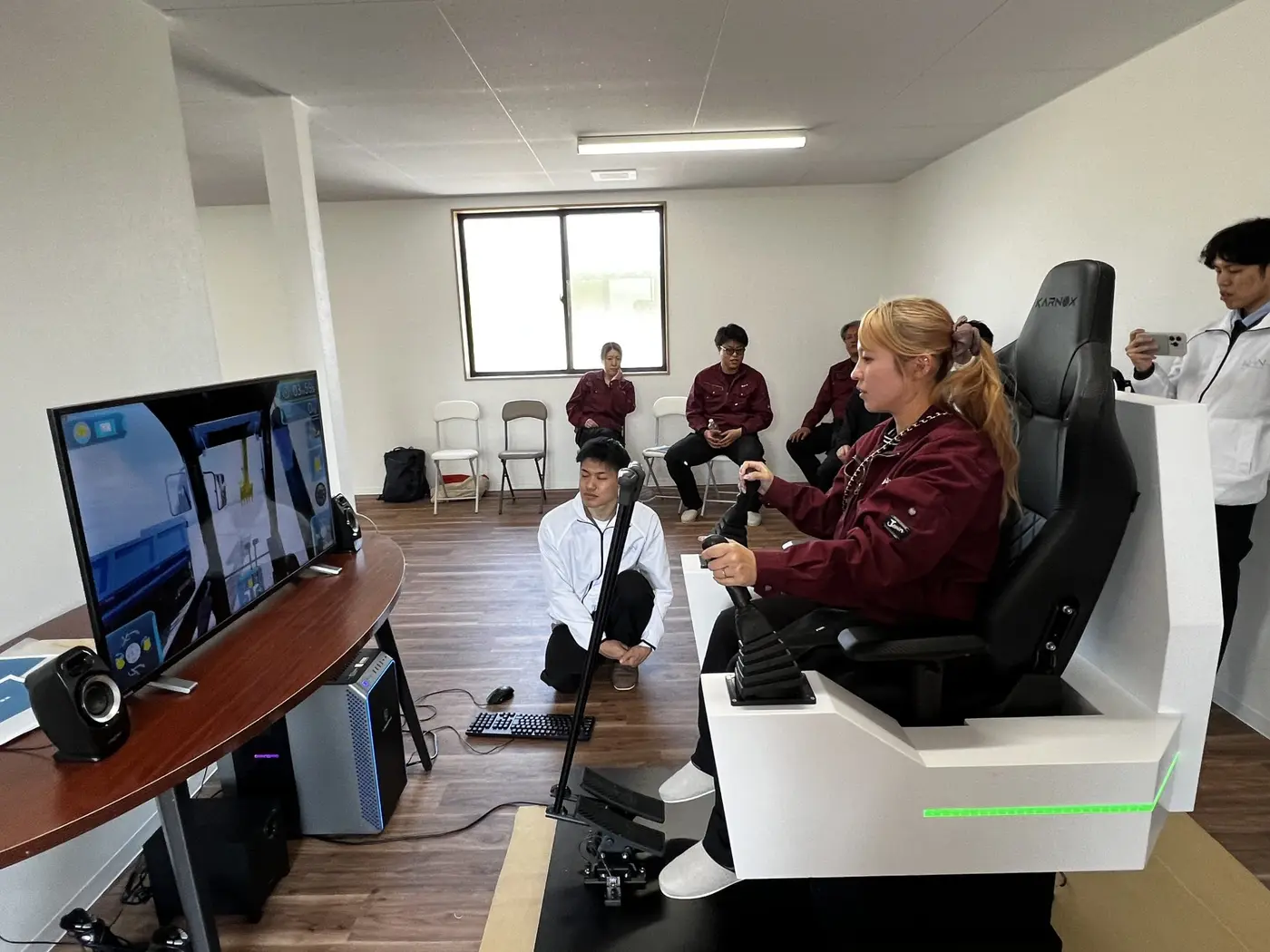
For the construction industry: "METATORE," a 3DCG training system using the metaverse (Hiroshima Prefecture)
Overview
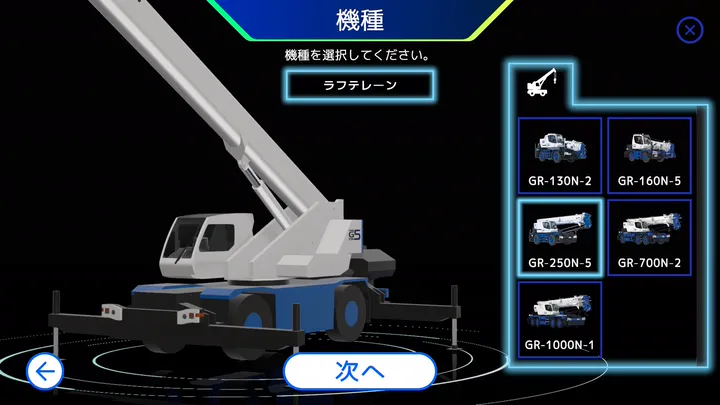
For skills transfer and training in the construction industry, WAN created "METATORE," a 3DCG training content that lets users experience simulated heavy machinery operation and more in a metaverse space.
What we did
- 3DCG production reproducing the operating screens and viewpoints of construction machinery
- Optimized to run in an internet browser
- Emphasizing convenience as learning material, we adopted a UI structure designed around user operation
Project page
https://wan-hiroshima.jp/works/metatorain2/
Points to watch during introduction and operation
Beyond choosing the technology, a comprehensive perspective that includes the "implementation structure" and the "investment plan" is required.
1. Don't lose sight of the purpose
- Do you simply want to "show" something, or are you also looking at "optimization and control"?
- It is important to organize requirements that are directly tied to management issues
2. Introduction cost and scalability
- Since 3DCG production costs can easily escalate, consider reuse and templating
- Digital twins presuppose an IoT platform, so infrastructure investment must be planned
3. Building an internal operating structure
- Clearly define whether you will secure personnel with specific skills or collaborate with external partners
- Operational design that anticipates maintenance and modifications is important
Summary
- Digital twins excel at real-world linkage and predictive use
- 3DCG specializes in visual appeal and expressive presentation
- Since each industry requires different characteristics, choosing technology according to your purpose is essential
- Introduction requires preparation in terms of personnel, budget, and infrastructure
- WAN can provide consistent support, from organizing requirements in the early stages of introduction to designing how the technology is used
CTA: Consult us about introducing 3D technology
At WAN, our experienced team provides end-to-end support, from 3D content strategy planning to production and establishing an operating structure.
Please feel free to contact us, even for an initial consultation on "Which one does our company really need?"
▼Click here for detailed materials, such as the "3DCG & Video Promotion Solutions" brochure, and a free consultation