- Home
- Works & Tech
- [Business Edition] The Differences Between VR, AR, and MR, Compared by Use Case
[Business Edition] The Differences Between VR, AR, and MR, Compared by Use Case
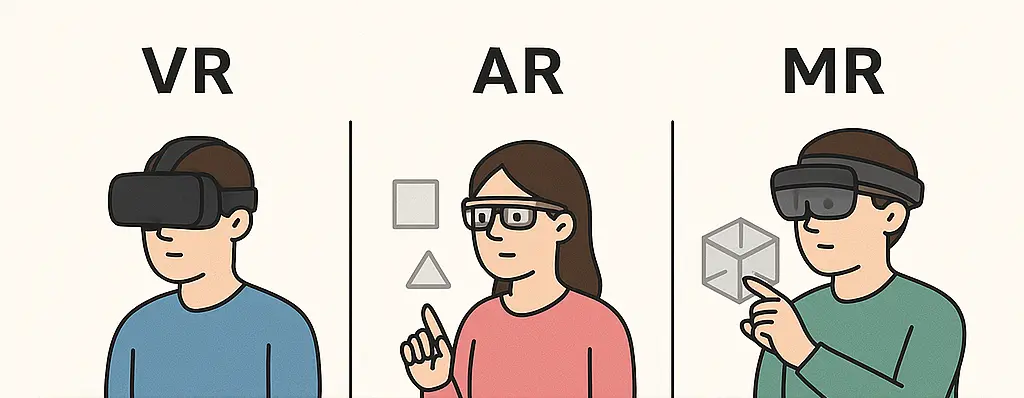
Three cutting-edge technologies have been drawing rapid attention in recent years: VR (virtual reality), AR (augmented reality), and MR (mixed reality). All are innovative approaches to "merging the real and the digital," but their technical mechanisms and the fields where they can be applied differ greatly.
In this article, we clearly explain the characteristics of each, key points for choosing between them, and even points to watch out for when introducing them, with real examples. It offers practical material for decision-making for companies and staff exploring new digital strategies.
What are VR, AR, and MR? A thorough look at the differences
The first step in choosing a technology is "knowing the differences." Below, we have organized the definition and characteristics of each.
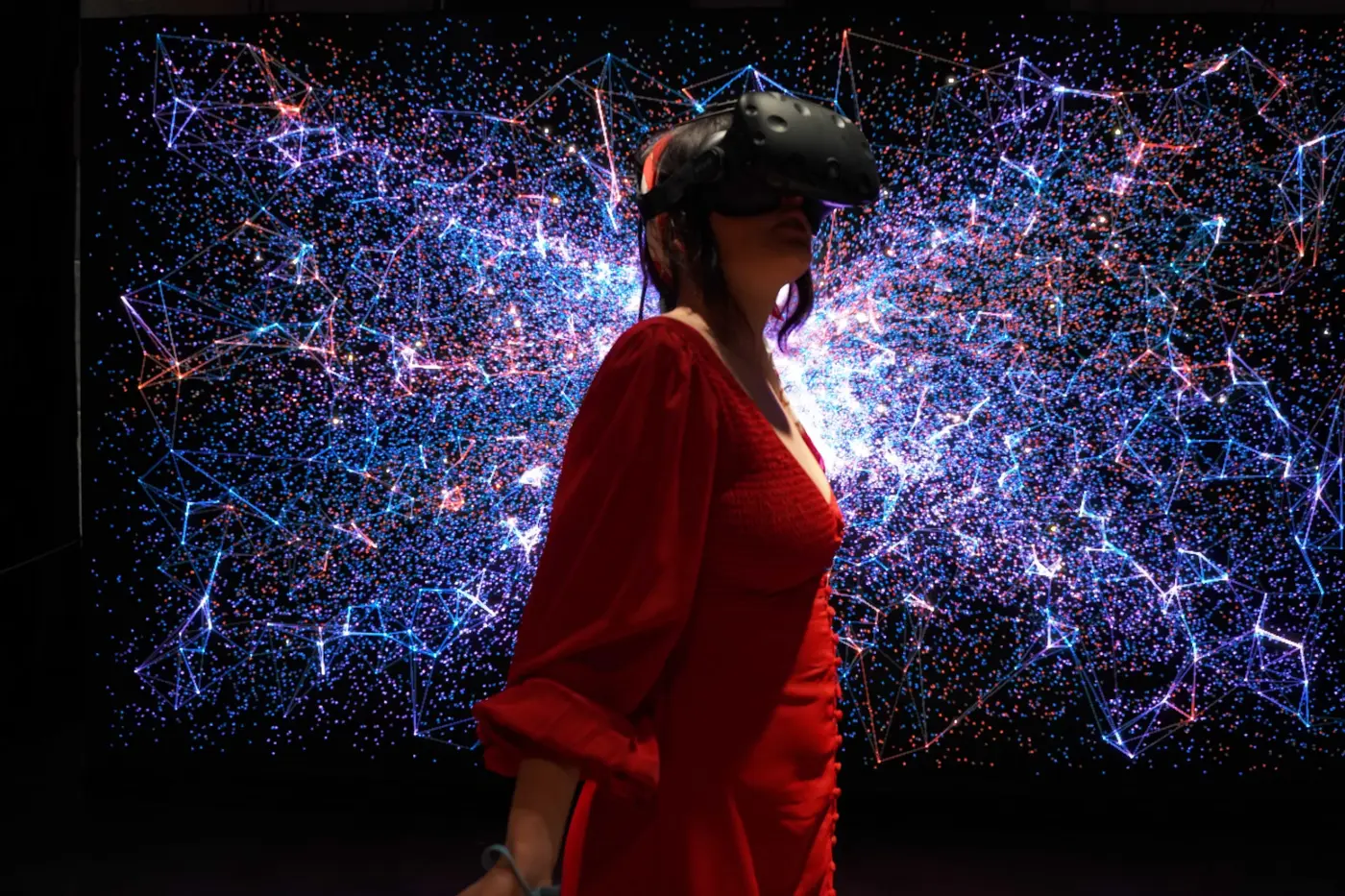
VR (Virtual Reality)
- Immersive experiences in a completely virtual space
- Requires wearing a dedicated HMD (head-mounted display)
- Cuts off all contact with reality, immersing you in a 100% virtual world
Main fields of use:
- Gaming and entertainment
- Architectural design simulation
- Education and training (disaster drills, skill acquisition, etc.)
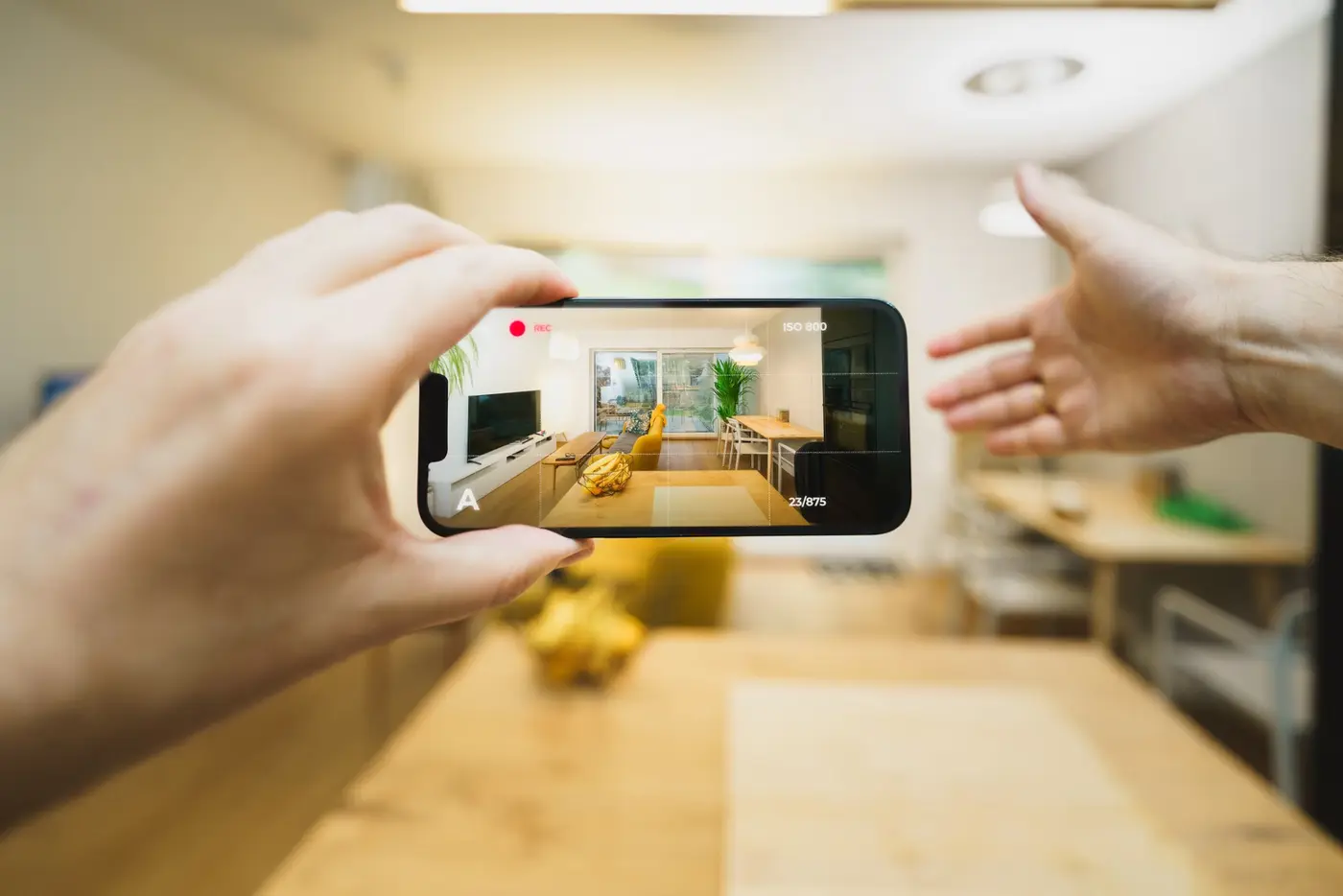
AR (Augmented Reality)
- Displays digital information overlaid on the real world
- Experienced through smartphones or AR glasses
- Supplements information while making use of the existing scenery
Main fields of use:
- E-commerce and retail (simulations for trying on clothes or arranging furniture)
- Tourist guides and walking navigation
- Work instruction support in manufacturing
MR (Mixed Reality)
- The virtual and the real merge in real time, allowing interaction
- Mainly uses high-performance devices such as Microsoft HoloLens
- Its strength is that the real environment and virtual objects "coexist and work together"
Main fields of use:
- Surgical simulation in medical settings
- Remote support and real-time training
- Interactive CAD integration at design sites
By use case: comparing how VR, AR, and MR are used
A technology shows its true value depending on "where it is used." Here, we compare how each is used by industry in tables.
Education and training
| Technology | Use | Characteristics |
|---|---|---|
| VR | Firefighting and disaster drills, job experience | Highly reproducible; even hazardous environments can be experienced safely |
| AR | Displaying work procedures, navigation | Information can be displayed even during operation; excellent real-time capability |
| MR | Training in handling precision equipment, remote work support | Hands-free operation and integration with the real environment |
Manufacturing and construction
| Technology | Use | Characteristics |
|---|---|---|
| VR | Design reviews, safety training for construction sites | The finished result can be grasped in three dimensions |
| AR | Wiring guides at construction sites, equipment placement instructions | Highly integrated with actual work |
| MR | Equipment inspection support, integration with BIM data | Enables advanced integration in which data and physical objects match |
Retail and marketing
| Technology | Use | Characteristics |
|---|---|---|
| VR | Virtual showrooms, experiential booths | Immersion conveys the brand's world |
| AR | Trying out products (cosmetics, furniture, etc.) | Easy to use on a smartphone |
| MR | Interactive exhibits, presentations of high-end products | Enables real-time, interactive experiences with customers |
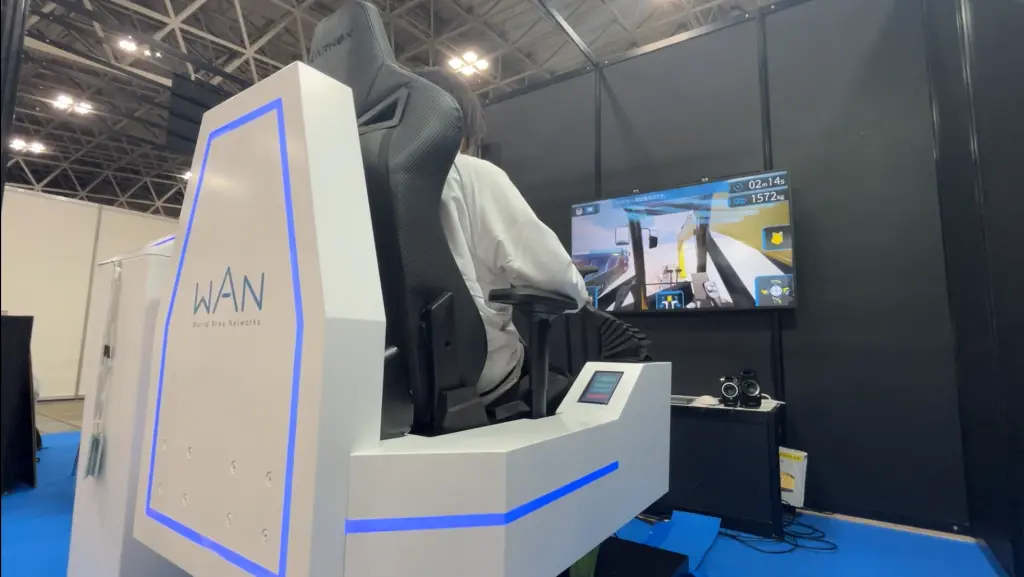
Case study from World Area Networks Co., Ltd.
[Case Study] The Future of Construction Opened Up by METATORE: Hands-On Training in VR
Background and challenges
In the construction industry, skill acquisition by young workers and standardization of safety training were challenges, and in particular, "not being able to gain practical training before going on site" was considered a cause of accidents and problems.
What we provided
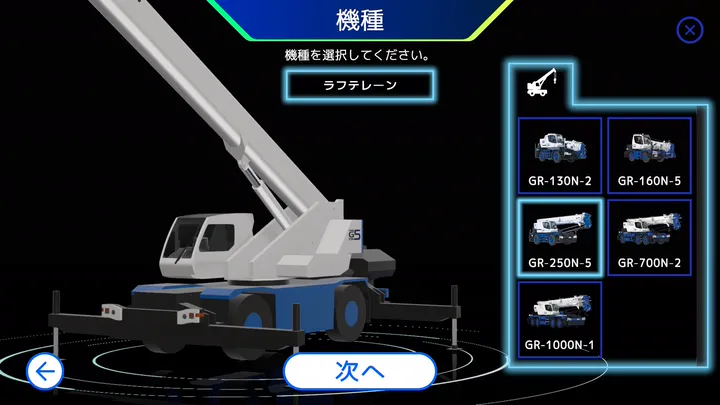
WAN developed construction-site training content using virtual reality (VR). It realistically reproduces heavy equipment operation, KY (hazard prediction), and more, creating a safety training program where trainees learn through experience.
Technical features
- Faithful reproduction of actual workflows in 3DCG
- Immersive learning using a head-mounted display (HMD)
- Interactive design incorporating hazard scenarios and judgment tests
Results
- Achieved improved worker skills, safety, and productivity
- Its educational effectiveness has been highly rated in the construction industry and at vocational schools
- Expected to help reduce on-site training time and the burden on staff in the future
Points to note before introduction, and how to avoid failure
1. Clarify objectives and KPIs
- If you introduce it just because it is "trendy," results are hard to see
- Always set numerical targets for operational improvement, sales promotion, and so on
2. Design with UX/UI in mind
- "Ease of use" is key to evaluation, even more than technical capability
- Reflect the input of designers and front-line staff from the early stages
3. Balance cost and scalability
- Device costs and running costs must also be considered
- MR in particular has high barriers to introduction and requires careful consideration
4. Build internal understanding and an operating structure
- Workflows change after introduction
- Setting up explanations and training for users is essential
Summary
- Understanding the differences between VR, AR, and MR is the first step to a successful introduction
- Choosing technology according to industry and purpose is important
- They can be used in a wide range of fields, including education, manufacturing, and retail
- Plans need to take into account UX design and internal structures as well
- WAN is also rolling out successful cases of using AR to address regional issues
CTA: Consult WAN about introducing XR
At WAN, specialist staff support you throughout, from XR (VR, AR, MR) strategy planning to implementation and operational support.
"We don't know how to apply digital experiences to our business."
"We don't have the internal resources to introduce it."
If you have concerns like these, please consider our XR support services.
👉 You can download detailed materials or request a free consultation via the link below.