- Home
- Works & Tech
- [Entertainment Edition] The Differences Between VR, AR and MR, Compared by Use Case
[Entertainment Edition] The Differences Between VR, AR and MR, Compared by Use Case
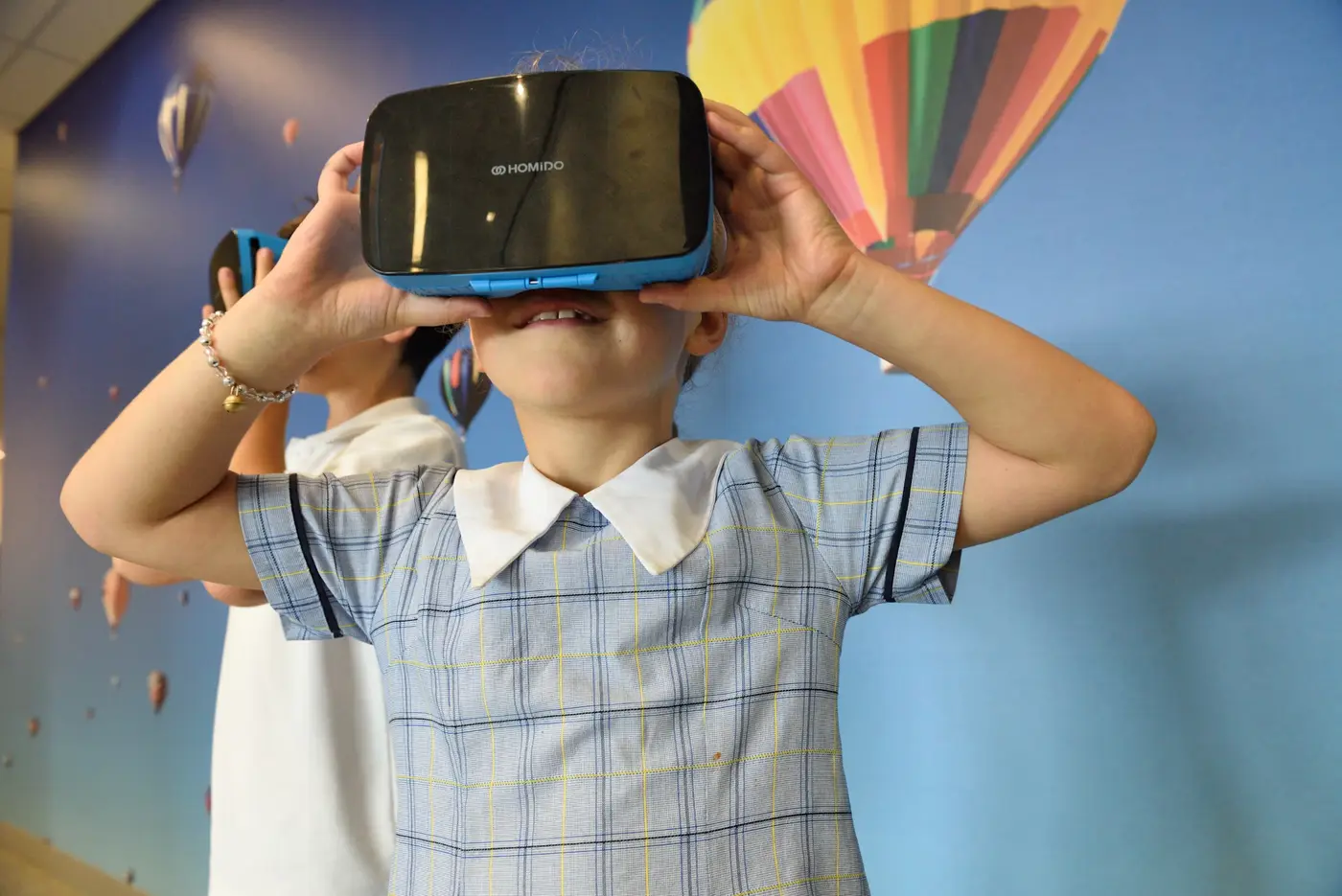
XR technologies such as virtual reality (VR), augmented reality (AR) and mixed reality (MR) have enough influence in the entertainment industry to transform visual expression and the audience experience. However, without a proper understanding of the differences between these technologies and the situations each is suited to, even a well-intentioned introduction may fail to deliver results.
In this article, we clearly explain the differences between VR, AR and MR, and compare use cases and introduce examples in the entertainment field. We hope you find it useful as a source of hints for designing the experiences of the future.
What are VR, AR and MR? A clear explanation of their definitions and differences
First, let's briefly sort out the definitions of and differences between the three technologies.
VR (Virtual Reality)
- An experience of complete immersion in a virtual 3D space using a dedicated headset
- Used for games, virtual live performances, VR cinema and more
- Characterized by the sensation of entering an "other world" cut off from reality
Typical examples: Live experiences on Meta Quest, VR escape games, etc.
AR (Augmented Reality)
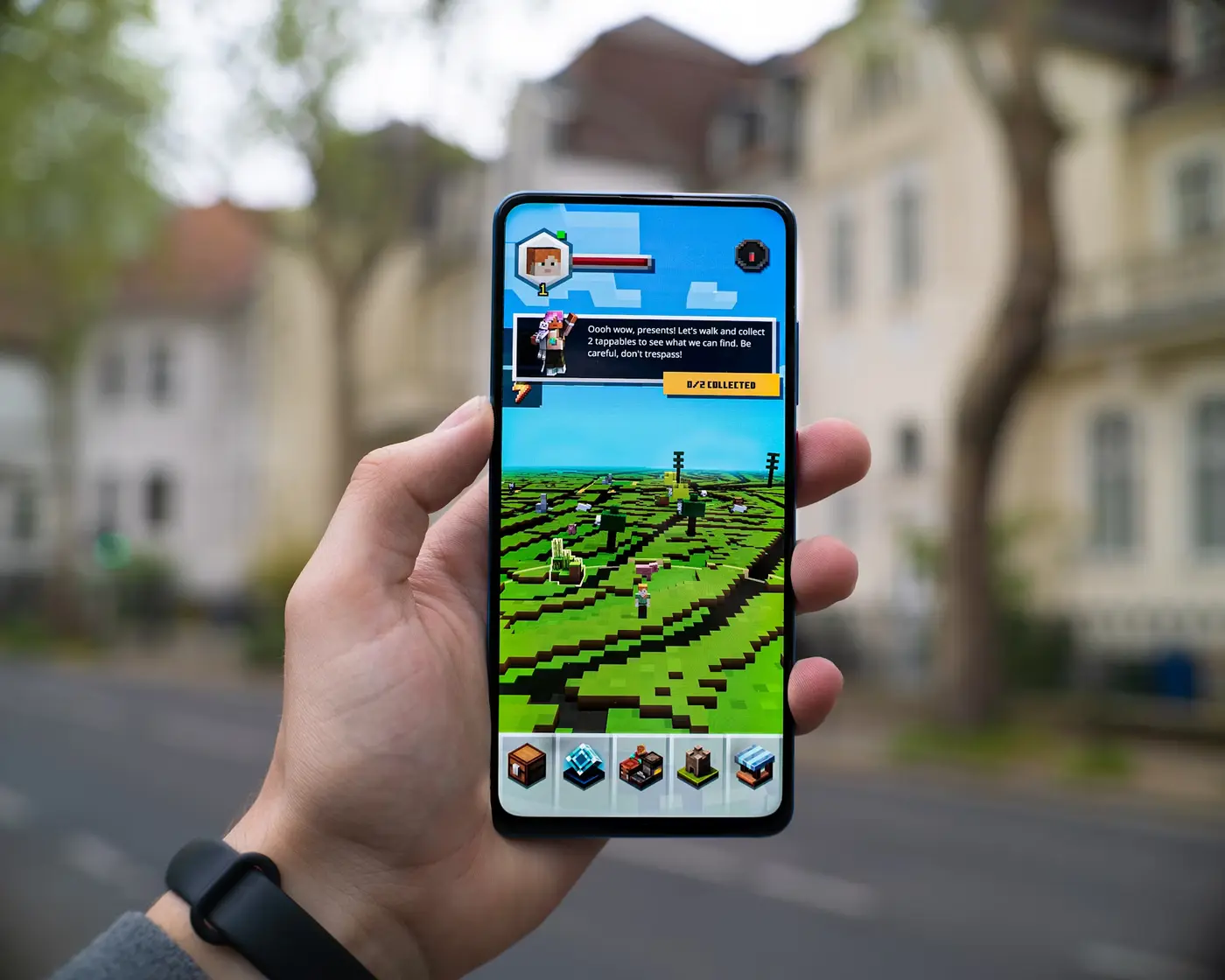
- A technology that overlays virtual information on the real world
- The real and the digital merge through a smartphone or AR glasses
- Virtual experiences are layered as an extension of everyday space
Typical examples: Pokémon GO, Instagram AR stickers, live performances with AR effects
MR (Mixed Reality)
- A technology that combines AR and VR to make virtual objects "exist" in real space
- Virtual characters interact with the real world and can be manipulated
- Uses advanced MR devices (e.g., HoloLens)
Typical examples: MR theater, stage effects using HoloLens, dialogue experiences blending the real and the virtual
Key points for using each technology in entertainment
Depending on its characteristics, each technology has entertainment areas where it excels. Let's look at examples of how each is used.
VR in entertainment
- Virtual live performances: Users gather in a virtual venue and watch the stage from 360 degrees
- Experiential games: Fully immersive game experiences that engage sight, hearing and the body
- VR museums and historical exhibits: Tour cultural content recreated along with its entire space
AR in entertainment
- Location-based games: Experiential games played by walking around the real world (e.g., Pokémon GO)
- Social media effects: Self-expression through video effects (e.g., AR filters, 3D effects)
- Digital effects for live performances: CG overlaid on a real stage to heighten the sense of presence
MR in entertainment
- Blended staging in theater and stage performances: Virtual characters perform alongside real actors, creating a sense of immersion
- Dialogue experiences with characters: Two-way entertainment linked to voice, movement and gaze
- Next-generation theme parks: Facilities in which the real and the virtual merge seamlessly
Case studies of support from World Area Networks
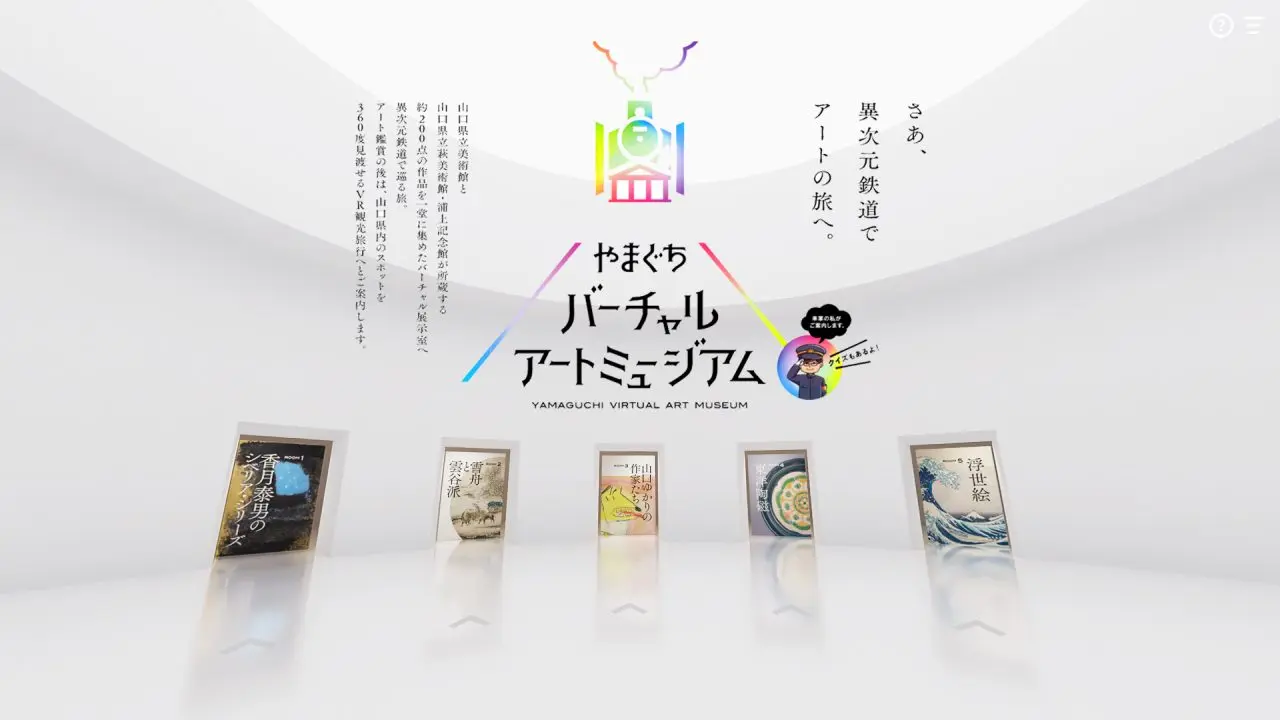
[Case study] Yamaguchi Virtual Art Museum
Background and challenges
As an initiative to widely showcase the works of contemporary artists in the city, Yamaguchi City
planned the Yamaguchi Virtual Art Museum.
The challenge was to remove visitors' geographical and physical constraints and
create an online environment where anyone could easily experience art.
Our support
WAN created a web browser-based 360° virtual exhibition space accessible from PCs, smartphones, tablets and other devices.
Without using VR goggles, visitors can freely look around the exhibition space on their device while viewing the works, which delivers a sense of presence like that of an actual exhibition venue.
Works by several contemporary artists are placed in the exhibition rooms, and the space is designed so that visitors can walk through while reading the commentary on each.
*The official case study page for the "Yamaguchi Virtual Art Museum" is here:
https://wan-hiroshima.jp/works/vam-yamaguchi/
Points to watch out for when introducing XR, and how to address them
There are several pitfalls to be aware of when introducing XR technology, along with ways to address them.
- Understand the costs and introduce in stages A full-scale introduction can be expensive, so start with a PoC (proof of concept).
- Build around UX (experience design) Rather than focusing too heavily on the technology, the key to success is to design first and foremost around "how you want people to feel."
- Choosing a technology partner Specialized knowledge is essential, especially for MR. Working with outside vendors and collaborating at the prototype stage is effective.
Summary
- VR is "immersion in a virtual space," AR is "augmenting reality with information," and MR is "merging the real and the virtual"
- Each technology has entertainment uses it is suited to, and choosing according to the purpose of the introduction is important
- Examples that transform the audience experience, such as MR-based theatrical staging, are emerging
- The keys to success are "starting with a small-scale PoC," "a UX perspective" and "the right technology partner"
At WAN, experienced staff provide end-to-end support from XR (VR, AR, MR) strategy planning through to execution. If you are short on XR resources or facing challenges at the planning stage, please consider WAN's XR content production support service.
👉For detailed consultations or to download free materials, please use the link below!