- Home
- Works & Tech
- "VR Art Museums: A Door to a New World of Art" Yamaguchi Virtual Art Museum
"VR Art Museums: A Door to a New World of Art" Yamaguchi Virtual Art Museum
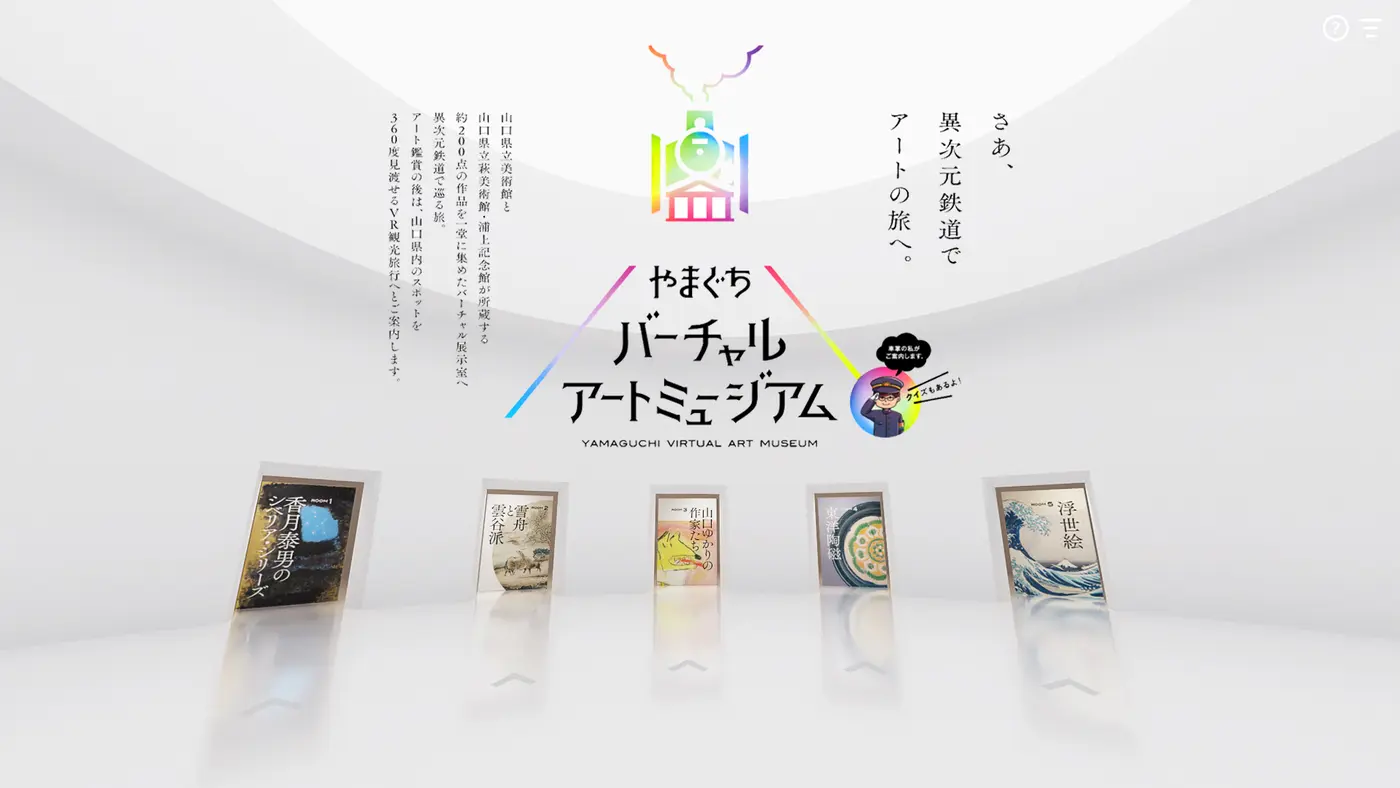
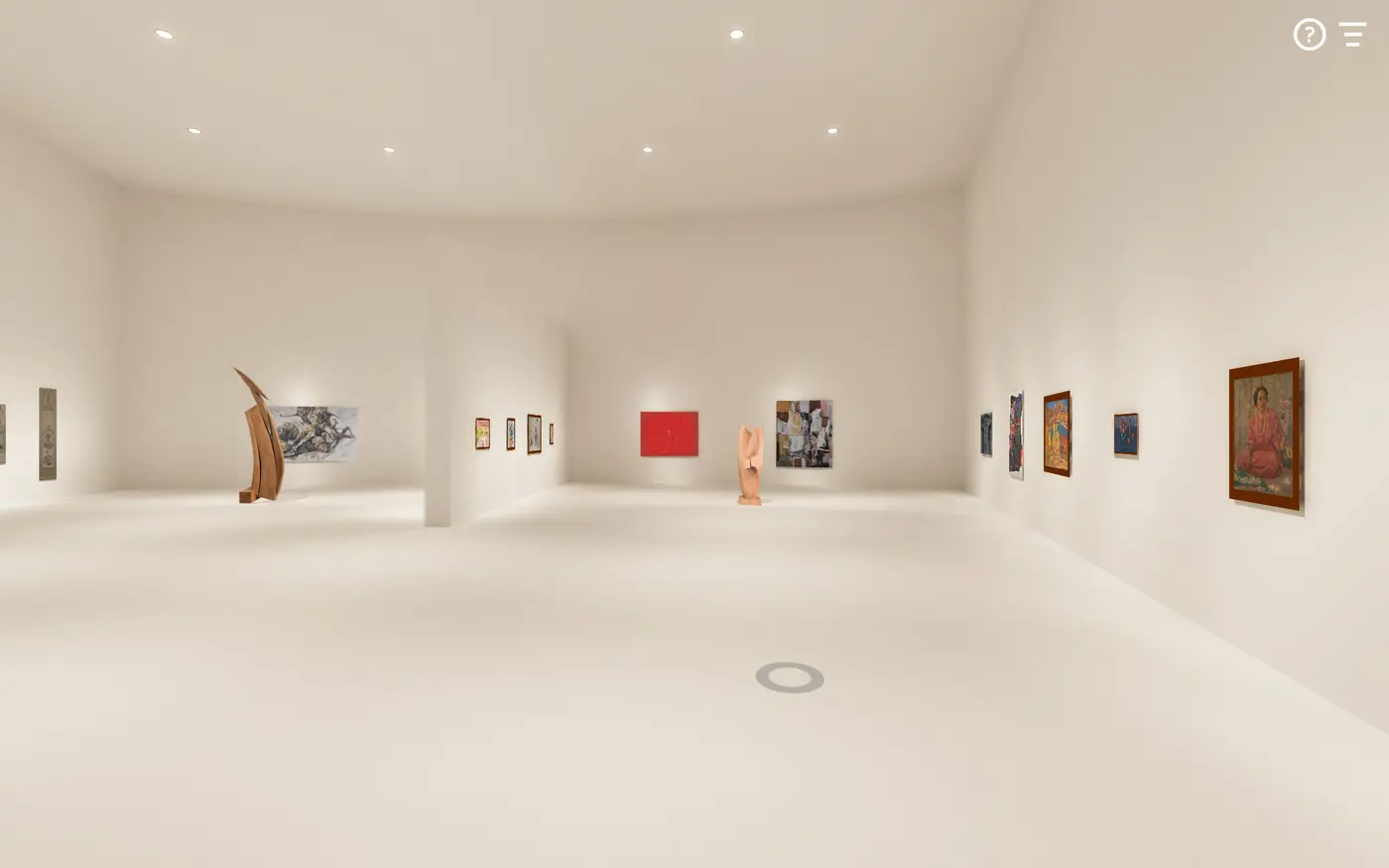
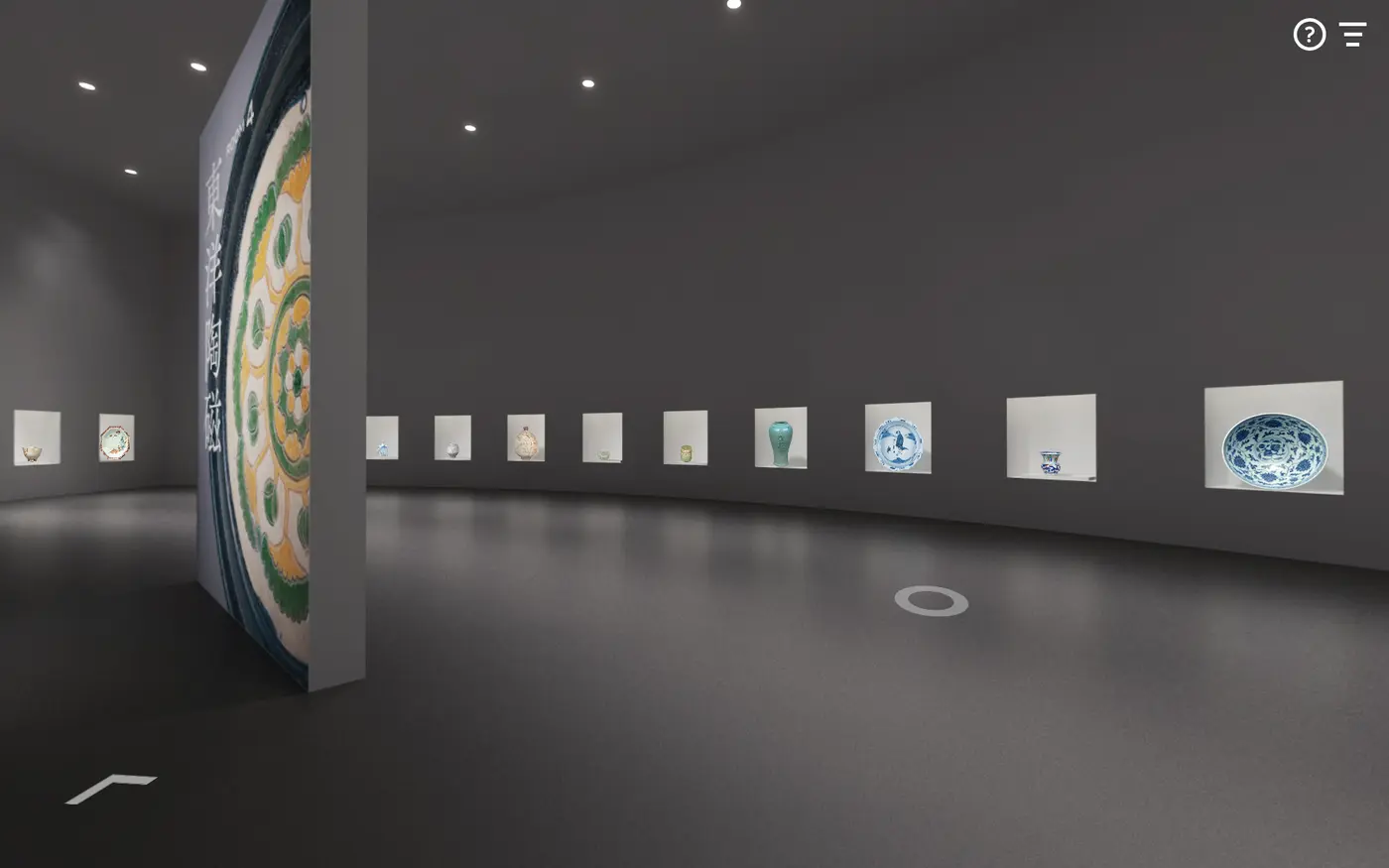
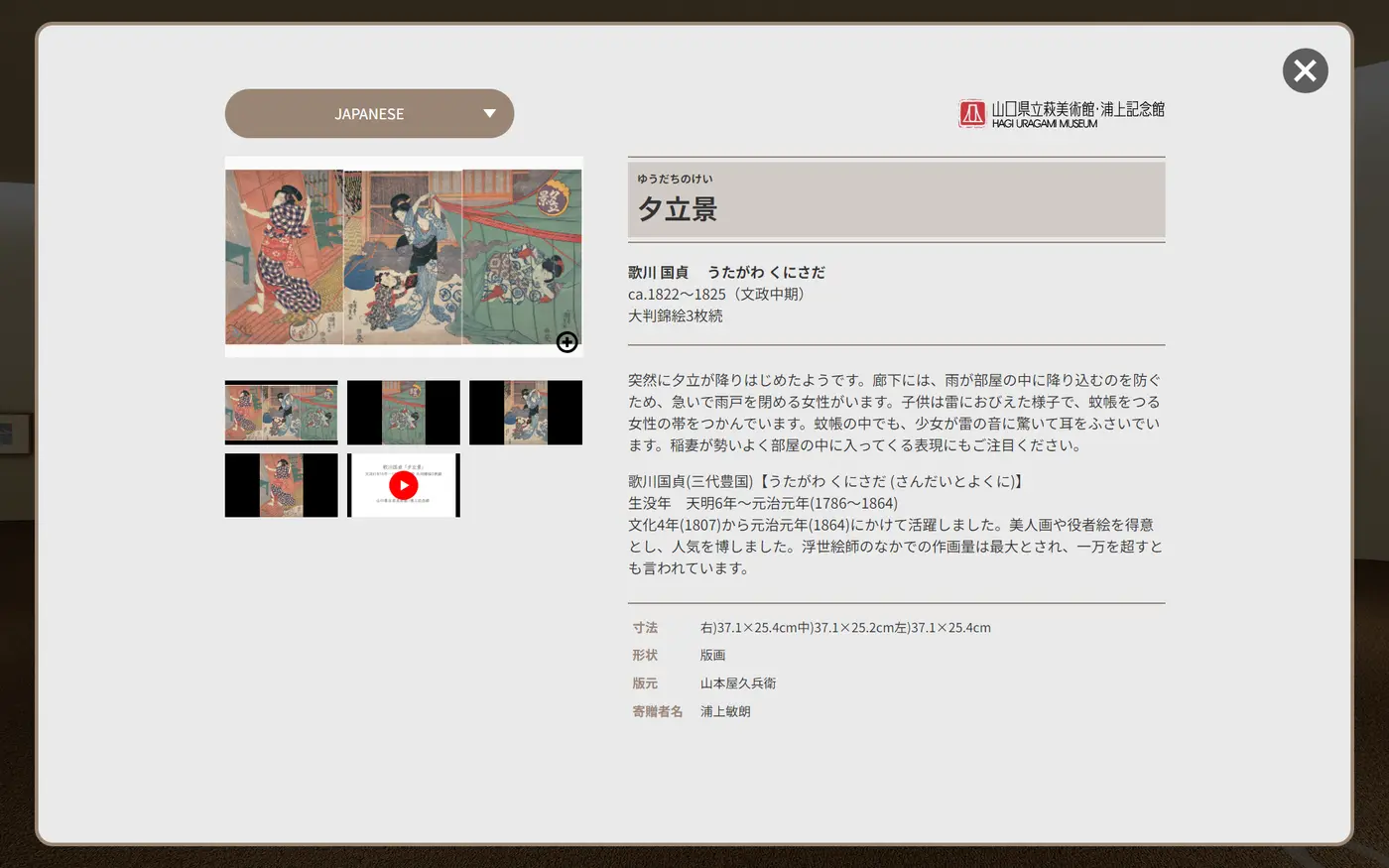
Based on the VR art museum "Yamaguchi Virtual Art Museum" that we created, we would like to take a closer look at the potential of VR art museums.
"VR Art Museums: A Door to a New World of Art"
Art museums are valuable places for viewing works of art and experiencing culture. However, due to physical constraints and geographical distance, many people do not have the opportunity to visit them. To address these challenges and bring the appeal of art to more people, the potential of VR art museums is expanding.
1. Experiencing the world's masterpieces up close
In a VR art museum, you can experience masterpieces and collections from around the world in a virtual space. Using realistic visuals and spatial audio effects, you can feel the masterpieces vividly come to life. By bringing the world of art closer, more people can become interested in art and gain opportunities to appreciate it.
2. Interactive exhibits and experiences
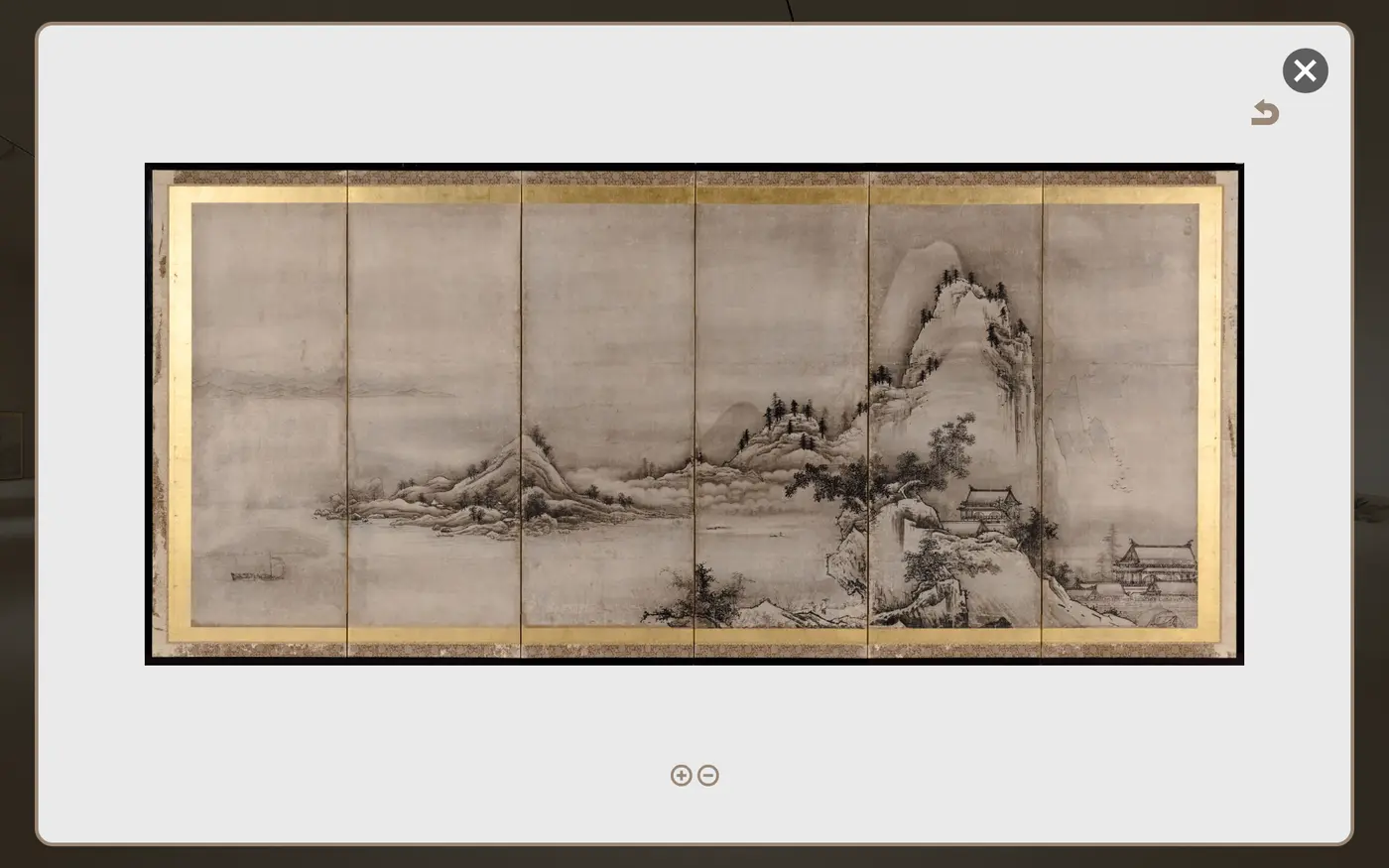
VR art museums make interactive exhibits and experiences possible. Examples include exhibits where you can view paintings and sculptures from 360 degrees, and exhibits where you can touch works and experience them interactively. By immersing yourself in art through sight and sound, you can make new discoveries and be moved in new ways.
3. The fusion of art and technology
VR art museums give rise to new experiences that fuse art and technology. Interactive exhibits and artworks using VR technology, digital art exhibitions and more are emerging. This makes it possible to offer more dynamic and innovative art experiences that differ from traditional art museums.
4. Overcoming geographical constraints and improving accessibility
VR art museums help overcome geographical constraints and make art more accessible. Because they can be accessed from anywhere in the world, many people can enjoy art regardless of geographical distance or limits on travel. In particular, they have the potential to improve access to art for older people and people with physical limitations.
5. Creating and developing new content
VR art museums allow new content to be created and developed. Artists and designers can find new venues for expression through exhibitions and performances in VR spaces. VR art museums also continue to offer fresh experiences by providing a variety of content, such as special exhibitions and events.
In closing
VR art museums have the potential to open a door to a new world of art. We can imagine a future in which many people can encounter art and be moved by it, free from geographical and physical constraints. And VR art museums will likely play a role in spreading art around the world as a universal value.
We are confident in providing customized solutions tailored to our clients' needs. Please feel free to contact us at any time with inquiries or consultations about VR production. We will help bring our clients' visions to life.
Visit the Yamaguchi Virtual Art Museum at the link below!