- Home
- Works & Tech
- Q&A on Producing VR Content for Training
Q&A on Producing VR Content for Training
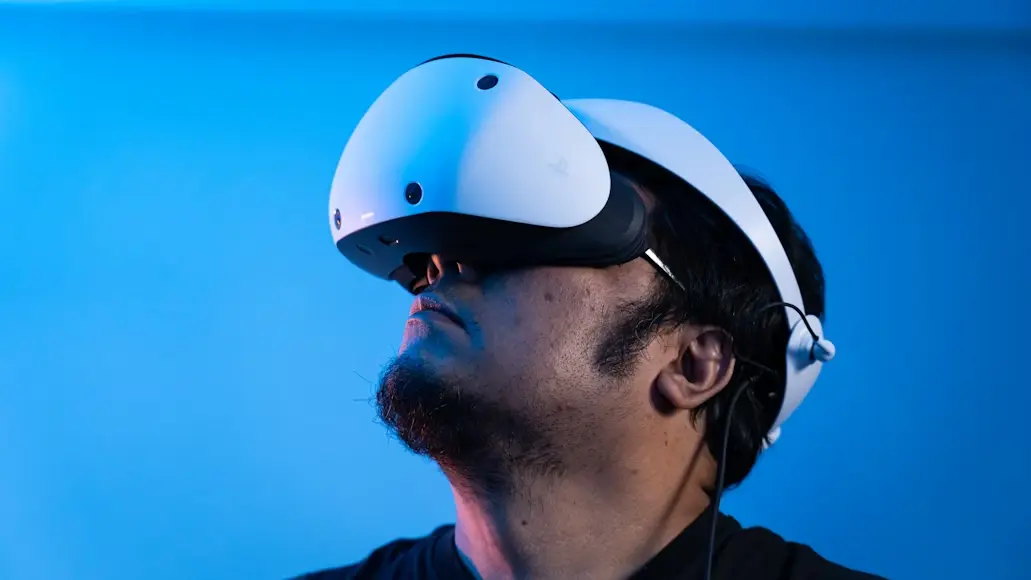
In recent years, training using VR (virtual reality) has been spreading rapidly in the human resource development programs of companies and educational institutions.
In particular, VR is attracting attention because it can deliver topics that were difficult to teach in conventional classroom lectures, such as "safety education that recreates hazardous sites" and "an alternative to OJT for passing on the skills of experienced workers," as realistic, immersive experiences.
At the same time, we often hear questions like these from people in charge at companies:
- "How much does VR content actually cost?"
- "How effective is it?"
- "What do we need to introduce it?"
To answer these questions, this article centers on frequently asked questions (Q&A) about producing VR for training and explains the latest trends, case studies, and practical know-how in detail.
Contents
- Background to the adoption of VR for training and why it is attracting attention
- Frequently asked questions about VR content production (Q&A)
- Production and introduction case study
- Points to note and keys to success in practice
- Summary
Background to the adoption of VR for training and why it is attracting attention
With the shrinking workforce and work becoming more advanced and complex, companies have a strong need for "efficient and practical training methods."
Against this background, hands-on training using VR has been attracting attention in recent years.
Cases where VR training is effective
- On-site training involving danger (e.g., construction, work at heights, medical settings)
- Role-playing for customer service and complaint handling
- Passing on skilled work and techniques
In these situations, VR provides a sense of presence that conventional slides and videos cannot fully convey, directly improving trainees' understanding and changing their behavior.
The effectiveness of VR training in numbers
- Knowledge retention more than twice that of conventional training (PwC survey)
- Training time reduced by more than 40% (Accenture case)
These results show that VR is being introduced not merely because it is trendy, but as an effective educational measure.
Frequently asked questions about VR content production (Q&A)
Q1. We don't have VR equipment in-house. Can we still introduce it?
A. No problem. Many production companies can provide support, including help with purchasing VR equipment.
In addition, lightweight content such as WebVR (viewed in a browser) and smartphone-compatible content has become widespread in recent years, so the equipment hurdle has definitely become lower.
Q2. Is VR training really effective?
A. Yes. VR has strengths that other methods lack in the following respects:
- An environment where you can fail safely (trial and error is possible)
- Realistic recreation of spaces that appeals to the emotions
- Immersive experience through active operation
This "learning through experience" achieves higher knowledge retention and behavior change than conventional passive learning.
Q3. How long does production take?
A. About 3–6 months is typical.
- Initial design
- Filming and development
- Testing and adjustment
The timeline also varies depending on how clear the requirements are and how quickly materials are provided. The initial requirements definition is key.
Q5. What kind of support is available after introduction?
A. It varies by production company, but in many cases support covers the following:
- Creating user manuals
- Operation training
- Support for updating and improving content
Choosing a partner with ongoing operation in mind is important.
Production and introduction case study
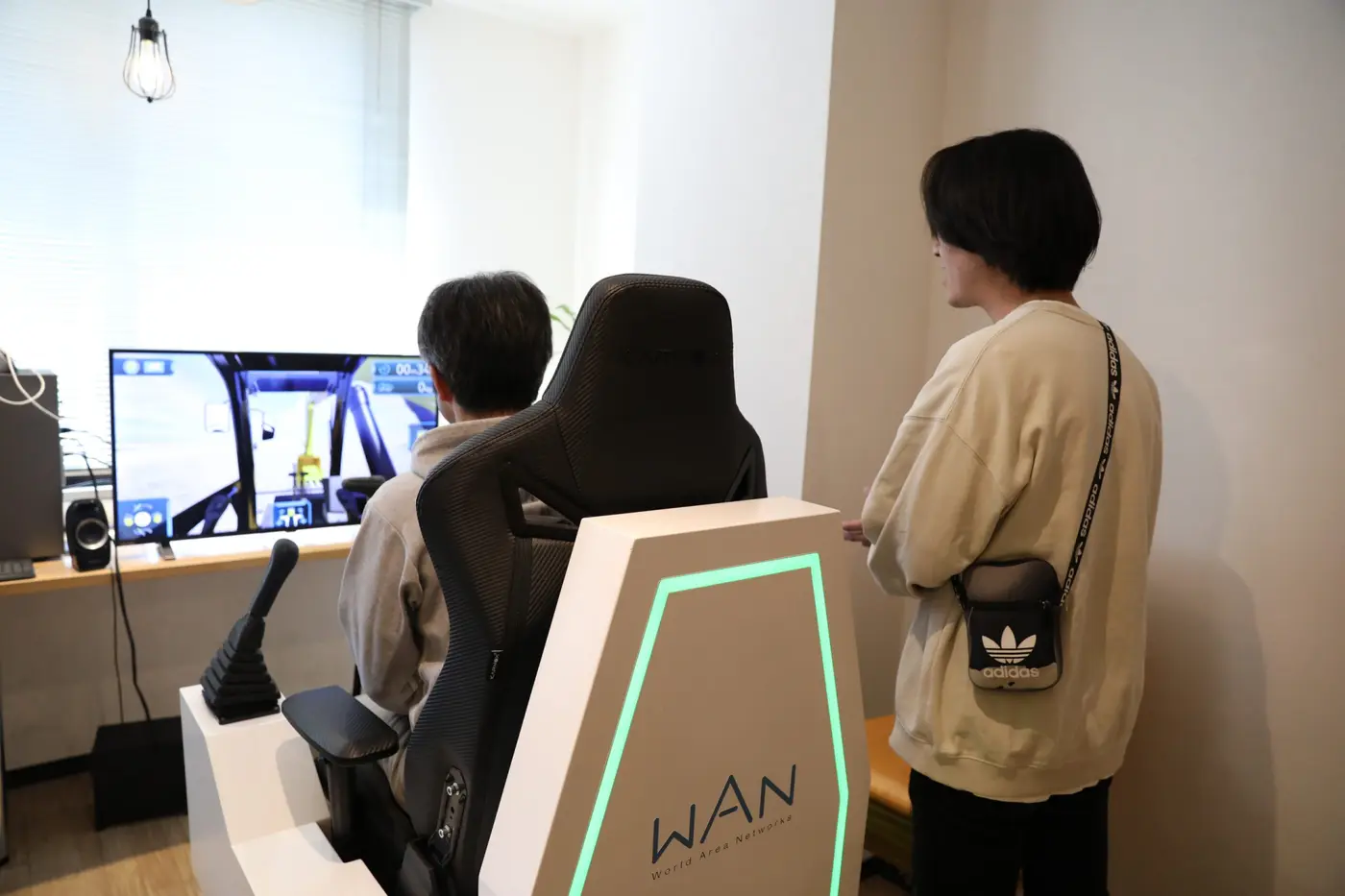
Here we introduce a case of VR training content developed in-house by World Area Networks Co., Ltd.
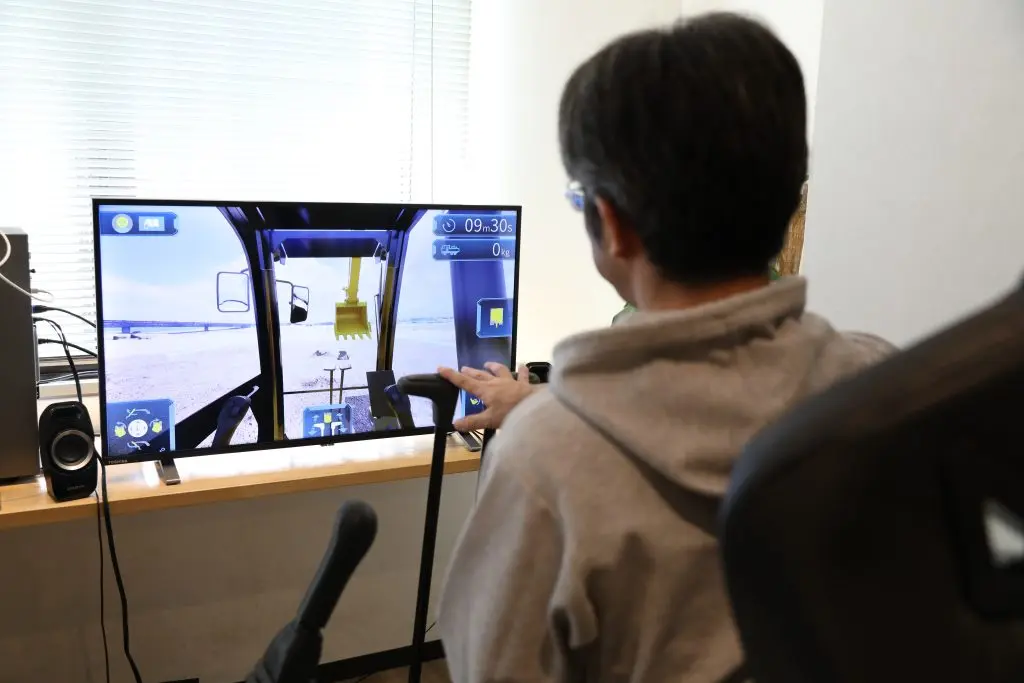
For civil engineering and construction: "Safety education VR for heavy machinery work + dashboard integration"
- Background and challenges: At sites involving heavy machinery, the risk of accidents caused by operating errors or delayed judgment by inexperienced workers was a problem. Conventional paper and video materials lacked tension and a sense of presence, limiting trainees' concentration and behavior change.
- What we did: Developed VR content in-house that simulates an actual site environment. Trainees experience situations such as "choosing how to handle risks during work" and "responding to emergencies" in the VR space. Integrated with a dedicated dashboard where experience results are automatically recorded and visualized, making it possible to see scores and areas for improvement
👉For details, click here!
Points to note and keys to success in practice
To get the most out of VR for training, the following design and operational measures are essential.
1. Clarify objectives and KPIs
- What do you want trainees to learn?
- How do you want them to change?
- How will you measure the effect?
If this design is vague, the training will be less effective, even with high-quality VR.
2. Starting small is realistic for the initial introduction
- Start with a trial introduction for one theme in one department
- Roll it out to other areas based on the results of the evaluation
- Run the PDCA cycle while reflecting trainees' feedback
3. Prepare the viewing environment and prevent VR sickness
- Keep headsets hygienic
- Adjust viewing time (in units of 10–15 minutes)
- Brief employees who are prone to motion sickness in advance
4. Explain carefully to employees in advance
- Hold trial sessions to dispel concerns about the new technology
- Secure agreement in advance by involving department managers
- Prepare user manuals and FAQs
Summary
- VR training achieves high retention and greater motivation
- Cost and timeline can be adjusted according to requirements. Starting small is key at first
- Designing objectives, target trainees, and KPIs is the foundation of success
- Don't forget to prepare the training environment and the introduction structure
- Companies that have introduced it are seeing measurable results
Document download and consultation
WAN offers one-stop services from VR training strategy planning to content production, device introduction support, and operational support.
If your company faces challenges such as "training that depends too much on specific individuals" or wants to "standardize and streamline education," please make use of our VR content production services.
▶︎ Free consultations and document downloads are available here.