- Home
- Works & Tech
- Thoughts on Shooting with an ENG Camera
Tech ArticlesFilm
Thoughts on Shooting with an ENG Camera
Who is writing this article?
**Starting out as an assistant at a cable TV station**
I entered the world of video production as an assistant at a cable TV station. From there I became a camera operator at the cable TV station, then worked at a TV station in Hiroshima, moved between several production companies, and have arrived where I am today. Until now, I have basically shot with ENG cameras. At World Area Networks, we mainly use DSLR cameras for video shoots. DSLR cameras produce noticeably sharper footage, which feels fresh to me. The wide range of lenses is another attraction. Personally, though, I have fewer chances to handle ENG cameras these days, and I felt a little wistful about that, so I wrote this article. I hope it helps you pass some time. Enjoy.
The big camera you carry on your shoulder... the ENG camera
What is an ENG camera in the first place?
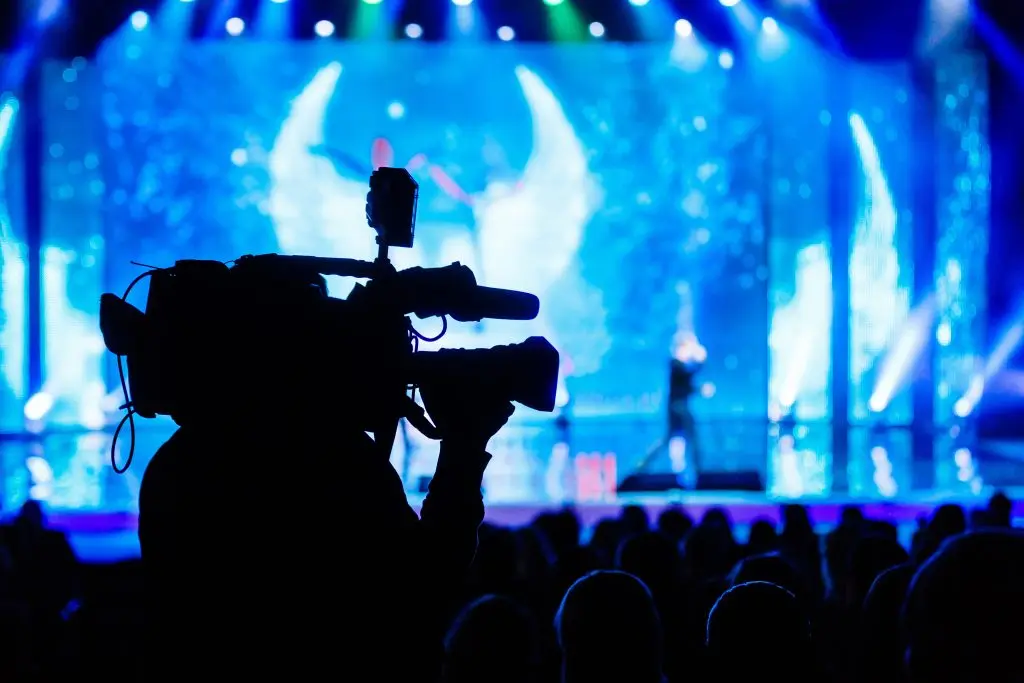
An "ENG camera" is that "big black object." ENG stands for "Electronic News Gathering," and it refers to cameras used mainly for news broadcasts and news programs. ENG cameras are used by professional journalists and news camera operators to shoot video at news scenes. They weigh around 4 kg, roughly the same as a newborn baby.
What is attached to it?
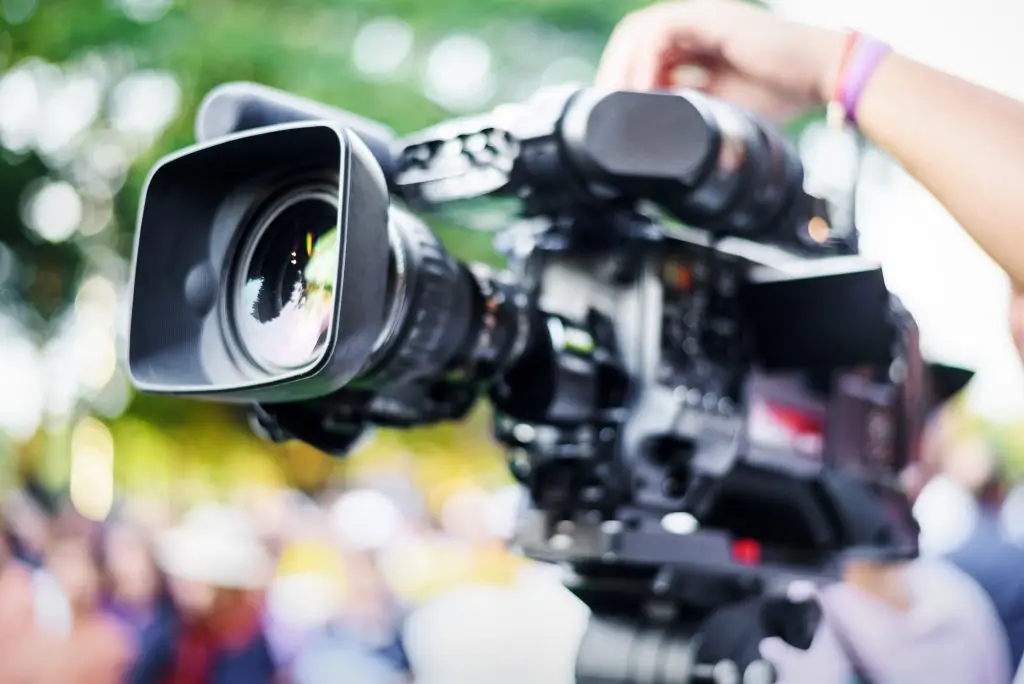
A typical ENG camera body has a built-in lens, viewfinder, audio inputs, and so on. In many cases it also comes with a handle and shoulder strap, so the camera can be carried and operated steadily.
What are the features of an ENG camera?
Heavy, but actually easy to use!?
The big black ENG camera. The first impression is that it looks heavy... And it is true that carrying it on your shoulder for a long time is tiring. But having used one, I can say that once you get used to it, it is an easy camera to handle. If a camera is not reasonably heavy, the footage will not be stable when you shoot with it on your shoulder. Besides the weight, the various buttons are placed in standard positions so camera operators can operate them easily. Some lenses also have a telephoto switch called an extender, which makes it possible to achieve twice the standard magnification. It is an emergency function, but having it is a real help in news settings where mobility is essential.
Deftly operating it with the left hand
Sometimes the news shows a long line of camera operators at a press conference, and all of them are operating their lenses with their left hands. That is not because every camera operator is left-handed. The cameras are built so that the lens has to be operated with the left hand. On that lens you can control "focus," "zoom (magnification)," and "iris (brightness)." Camera operators handle these three controls with their left hand.
Thoughts after working with ENG cameras
If you ever get the chance to use one, give it a try
What I can say from my experience handling big, heavy ENG cameras is "the right tool for the right job." Of course, some shoots are difficult without a small, light camera. Conversely, there are shoots that ENG cameras are well suited for. It may be hard to get your hands on one unless you work at a TV station or similar, but if you ever get the chance, I encourage you to give it a try. When I see a young camera operator handling an ENG camera out on the street, I find myself silently cheering them on: "It's tough, but hang in there."
In closing
**Feel free to consult us about any filming needs**
We have staff with experience handling ENG cameras, so if you are interested, please feel free to contact us about anything, no matter how small.